Source Men Key Chain for Gifts, Tags, and DIY Projects
Explore 30 options for a men key chain, including PU leather, stainless steel, and zinc alloy designs. Compare features like laser engraving, voice recording, and multi-function tools to find suitable items for promotion gifts, name tags, and daily use; compare the available evidence and request quotations based on your requirements.
Key considerations
Products List
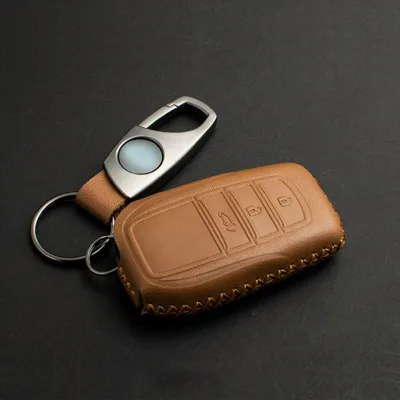


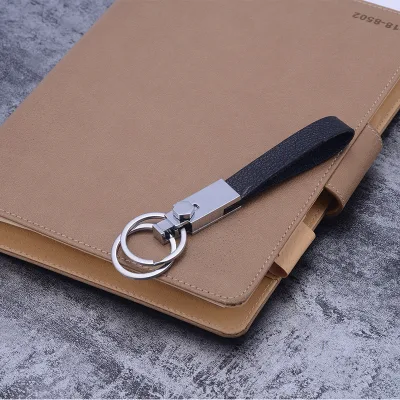


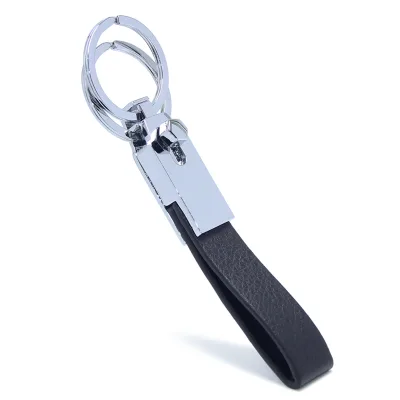


Comprehensive Sourcing Guide
Men Key Chain Sourcing Guide
Sourcing men’s key chains requires a clear understanding of the diverse product landscape available from manufacturers, particularly those concentrated in industrial hubs like Guangdong, China. Buyers must navigate between functional utility items, such as voice recording keychains or multi-tools, and fashion-oriented accessories made from materials like PU leather or stainless steel. The market offers significant customization options, allowing brands to tailor designs for specific demographics, whether targeting business professionals with sleek metal finishes or younger audiences with vibrant, eco-friendly PU leather options. Understanding these distinct categories is the first step in defining procurement requirements accurately.
The procurement process also involves evaluating the specific use cases for the key chains, which range from promotional gifts and name tags to DIY projects and everyday carry items. Suppliers often provide OEM and ODM services, enabling buyers to create unique products with custom logos, colors, and packaging. It is crucial to assess the versatility of the product, ensuring it meets the intended usage, whether as a durable daily accessory or a short-term promotional item. This distinction influences material selection, durability expectations, and the overall value proposition presented to the end consumer, making early specification critical for successful sourcing.
Product Scope and Observed Listing Signals
The observed product listings reveal a wide spectrum of key chain types, including PU leather key chains, voice recording key chains, and multifunctional metal tools. Materials vary significantly, with options ranging from leather combined with metal components to pure stainless steel or zinc alloy constructions. These material choices directly impact the aesthetic and functional profile of the product, with metal options often emphasizing durability and anti-rust properties, while leather variants focus on style and customization potential. Buyers should carefully review the material specifications to ensure alignment with their brand’s quality standards and target market preferences.
Listing signals also highlight various printing and processing techniques, such as letterpress, silk screen, offset, and laser engraving, which allow for detailed branding and personalization. The presence of features like strong LED lights, voice recording capabilities, or compass functions indicates a shift towards multifunctional accessories that offer more than just utility. Additionally, the availability of numerous color options, from standard black and white to vibrant hues like plum, orange, and sky blue, suggests a high degree of customization. Buyers must verify which specific features and finishes are available for their desired order volume to avoid mismatches between expectation and supply.
Technical Specifications to Verify
Technical verification begins with confirming the physical dimensions and weight of the key chains, as these factors influence packaging efficiency and shipping costs. Listings indicate single package sizes around 15x15x10 cm and gross weights varying by product type, with some items weighing up to 16.2 kg per carton. Buyers must ensure that the specified size and weight align with their logistics planning, particularly when ordering large quantities. Accurate specification verification prevents unexpected freight charges and ensures that the product fits within the intended retail packaging or promotional kit constraints.
Further technical checks involve validating the battery and electronic components for smart key chains, such as those featuring voice recording or LED lights. Specifications mention the use of AG13 batteries and ABS materials, which are common in such devices. Buyers should verify the battery life, charging method, and durability of these electronic features, especially if the key chains are intended for long-term use. Additionally, surface treatments like polishing or die-casting processes should be confirmed to ensure the desired finish and resistance to wear, particularly for metal key chains intended for daily carry.
Compliance and Safety Documentation
Compliance documentation is essential for key chains, especially those containing electronic components or specific materials. Listings reference standards such as CE, RoHS, SGS, and GMP, which indicate adherence to safety and environmental regulations. Buyers must request and verify these certifications to ensure the products meet the legal requirements of their target markets. For electronic key chains, RoHS compliance is particularly important to confirm the absence of hazardous substances, while CE marking may be required for sale in certain regions. Proper documentation mitigates legal risks and enhances consumer trust in the product’s safety.
In addition to electronic compliance, material safety standards should be reviewed, particularly for leather and metal components. While specific certifications like ISO 9001 or REACH are mentioned in background knowledge, buyers should confirm their applicability to the specific products being sourced. Ensuring that materials are eco-friendly and non-toxic is increasingly important for modern consumers. Buyers should also verify that the supplier has a robust quality management system in place, which supports consistent compliance across production batches. This diligence helps maintain brand reputation and avoids potential recalls or regulatory penalties.
Cost Drivers and Commercial Terms
Cost drivers for men’s key chains include material selection, customization complexity, and order volume. Metal key chains, particularly those made from stainless steel or zinc alloy, may incur higher material costs compared to PU leather options. Customization features such as laser engraving, multi-color printing, or electronic integration also add to the unit price. Buyers should analyze the cost structure to understand how different specifications impact the final price, allowing for better budgeting and margin planning. Understanding these drivers helps in making informed decisions about which features are worth the additional investment.
Commercial terms, including MOQ and lead times, vary significantly across suppliers and product types. Listings show MOQs ranging from 500 to 100,000 pieces, with lead times and shipping ports like Hong Kong, Shenzhen, or Guangzhou influencing delivery schedules. Buyers must negotiate terms that align with their inventory needs and cash flow constraints. It is also important to clarify payment terms, packaging requirements, and any additional fees for customization or sample production. Clear commercial agreements prevent misunderstandings and ensure a smooth procurement process from order placement to delivery.
Supplier Qualification and Quality Control
Supplier qualification involves assessing the manufacturer’s capability to deliver consistent quality and meet customization requirements. Buyers should verify the supplier’s experience in producing key chains, particularly those with specific features like voice recording or metal die-casting. Checking for relevant certifications and quality control processes is essential to ensure that the products meet the specified standards. Suppliers with a strong track record in OEM and ODM services are often better equipped to handle complex customization requests and maintain quality across large production runs.
Quality control measures should be established before production begins, including sample approval and in-line inspections. Buyers must define clear acceptance criteria for materials, finishes, and functional performance, such as the durability of leather or the reliability of electronic components. Regular communication with the supplier during production helps identify and address potential issues early. Implementing a robust QC plan ensures that the final products meet the buyer’s expectations and reduces the risk of receiving defective goods. This proactive approach safeguards the brand’s reputation and customer satisfaction.
Long-Term Procurement Checks
Long-term procurement success depends on continuous monitoring of supplier performance and market trends. Buyers should regularly review supplier delivery times, product quality, and responsiveness to issues. Establishing a performance scorecard helps track these metrics and identify areas for improvement. Maintaining open communication with suppliers fosters a collaborative relationship, enabling better problem-solving and innovation. Regular audits or visits, if feasible, can provide deeper insights into the supplier’s operations and commitment to quality, ensuring a stable and reliable supply chain.
Additionally, buyers should stay informed about changes in regulations, material costs, and consumer preferences. Adapting to these changes allows for proactive adjustments in product specifications and sourcing strategies. Exploring new materials or technologies can offer competitive advantages, such as more eco-friendly options or enhanced functionality. By continuously evaluating and refining the procurement process, buyers can ensure that their key chain offerings remain relevant and appealing to the target market. This strategic approach supports sustainable growth and long-term profitability in the competitive accessories market.
FAQs
What printing methods are available for men key chains?
Multiple printing methods are available including letterpress, silk screen, offset, thermal transfer, and embossing. These options allow for detailed customization on PU leather or metal surfaces to meet specific branding needs for promotional gifts.
Can I customize the size and color of the key chains?
Yes, both size and color are fully customizable to accept any design. Buyers can select from various colors like plum, white, or orange, and specify dimensions such as 70 by 45 by 20 millimeters for specific product models.
Which materials are used to manufacture these key chains?
Manufacturers use materials like leather combined with metal, stainless steel, or zinc alloy. Some models also incorporate ABS plastic for voice recording features, ensuring durability and resistance to rust for long-term use as gifts.
What is the minimum order quantity for these products?
The minimum order quantity ranges from 2 to 100,000 units depending on the specific supplier and product type. Some stainless steel models require a minimum of 500 pieces, while others allow for smaller trial orders starting at just two units.
How are the key chains packaged for shipping?
Individual items are typically packed in OPP polybags, while bulk shipments use cartons. The single package size is often 15 by 15 by 10 centimeters, and the gross weight per carton can reach 16.2 kilograms for larger orders.
Where are these key chains manufactured and shipped from?
These products originate from Guangdong, China, and are dispatched from ports like Hong Kong, Shenzhen, or Guangzhou. This location ensures efficient logistics for international buyers seeking OEM or ODM services for promotional items.
Are there any certifications for the key chain products?
Certain models meet standards such as CE, RoHS, SGS, and GMP to ensure safety and quality. These certifications verify that the materials and manufacturing processes comply with international regulations for eco-friendly and durable promotional goods.